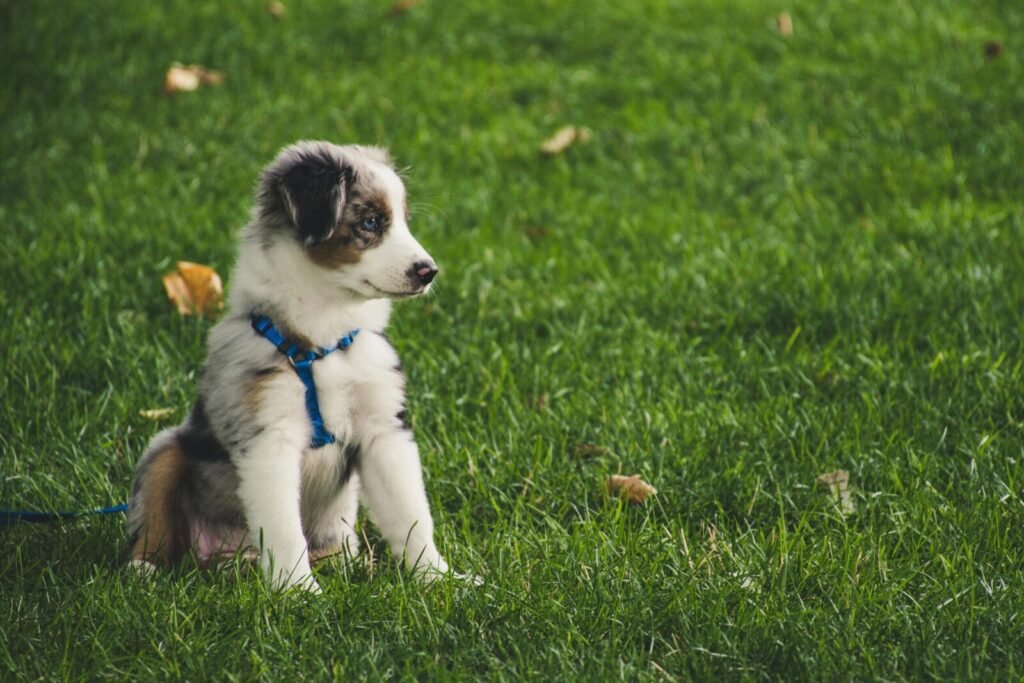
Understanding Your Puppy’s Needs
Puppy Potty Training Made Simple
Puppies are born with natural instincts that affect how and when they go potty. Most are ready to start training around 8 weeks old, but things like breed, size, and health can change that. For example, small breeds often need more potty breaks because their bladders are tiny.
It’s important to watch for signs your puppy needs to go. Look for behaviors like:
- Sniffing around
- Walking in circles
- Whining or barking
- Heading toward the door
The best way to prevent accidents is by following a daily routine. Always take your puppy out:
- After eating
- After playing
- After waking up from naps
Accidents will happen—don’t worry! Every puppy learns at their own speed. Stay calm and patient, and always reward your pup with praise or a treat when they go outside. This helps them learn what you want and builds trust between you and your new best friend.
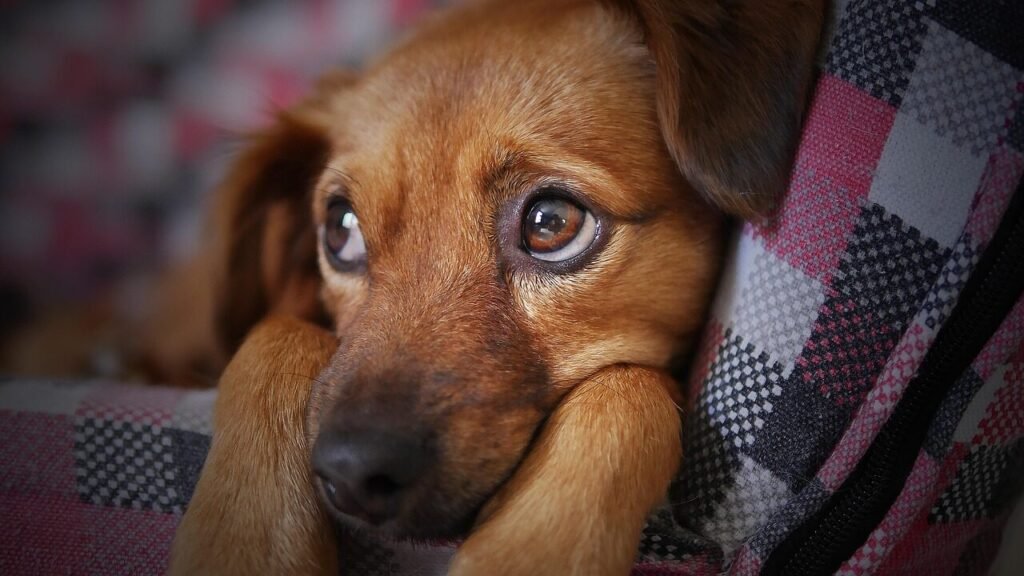
Setting Up a Potty Training Routine
Stick to a Routine: How to Help Your Puppy Learn Faster
Being consistent is one of the most important parts of potty training. Take your puppy outside right after they:
- Wake up
- Eat
- Play
These are the times they’ll most likely need to go. Following this routine helps your puppy learn that outside is the right place to go potty.
Pick one specific spot in your yard or outside area for bathroom breaks. This helps your puppy feel comfortable and recognize it as their potty place. You can also use a simple phrase like “go potty” to teach them what you expect.
If you’re potty training indoors, use a large puppy pad or piece of artificial turf. These work better than using lots of small pads in different places.
Staying on schedule and keeping things simple makes potty training faster and less stressful—for both you and your pup!
As an Amazon Associate, I earn from qualifying purchases.


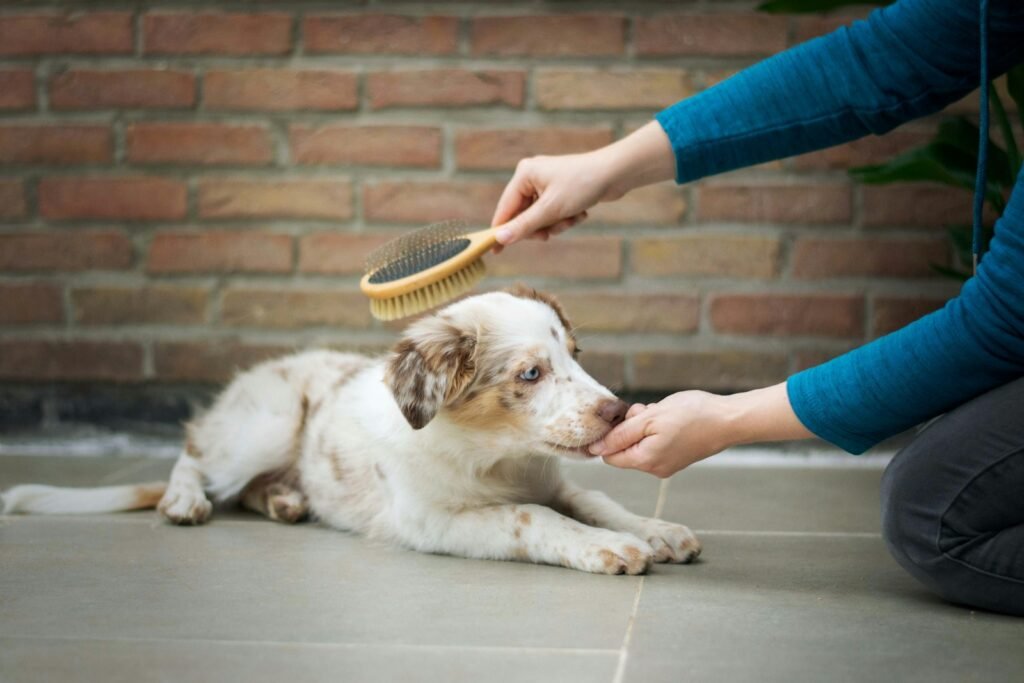
Positive Reinforcement Techniques
Why Positive Reinforcement Works for Potty Training
Using positive reinforcement means rewarding your puppy when they go potty in the right place. This helps them build good habits and understand what you want.
Give your pup a reward right after they go outside. Great reward ideas include:
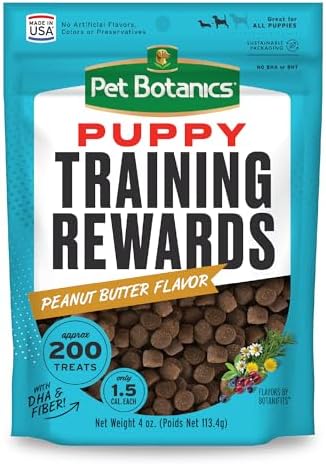
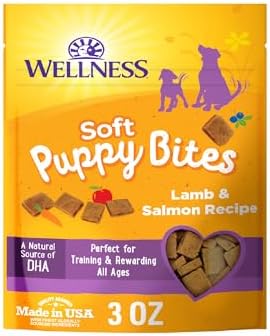
- Small, tasty treats
- Happy praise (“Good job!”)
- A belly rub or playtime
Be sure to reward them every time they get it right. This helps them learn faster.
Stick to a regular potty schedule—especially after meals, naps, or playtime. Once your puppy gets the hang of it, you can slowly give fewer treats but keep the same routine.
Positive reinforcement makes potty training faster, easier, and more fun. Your puppy learns that going potty outside makes you happy—and that’s something they’ll want to repeat!
Bonus Tip: Try using your puppy’s favorite treats for extra motivation!
As an Amazon Associate, I earn from qualifying purchases.

Common Potty Training Challenges
&
How to Handle Them
Common Issues and Simple Fixes:
Indoor Accidents:
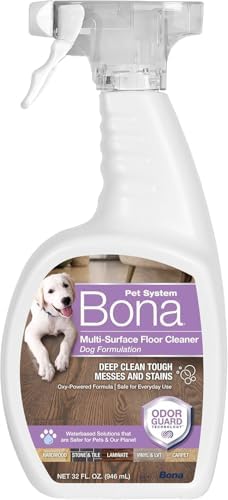
These will happen! Never yell or punish your puppy. Just clean the spot with an enzymatic cleaner to get rid of the smell. This stops them from going in the same place again.
Potty Training Regression:
Sometimes a puppy who was doing well starts having accidents again. This can happen if they’re stressed, sick, or if their routine changes. If it does, go back to basics—stick to your schedule and reward success just like in the beginning.
Outdoor Distractions:
Noises, smells, and other animals can make it hard for puppies to focus. To help:
- Use the same potty spot each time
- Don’t start playtime until after they go
The Most Important Tip? Stay Positive!
Always celebrate small wins—praise your pup when they get it right. Mistakes are part of learning, but your support helps them grow.
Don’t stress about accidents—check out my favorite odor-fighting cleaners below to make cleanup easy!



No responses yet