The Importance of Dog Training
Training is vital for building a strong, healthy relationship between dogs and their owners. It not only improves behavior but also enhances safety, trust, and overall well-being for both.
Effective training goes beyond basic commands—it supports socialization, reduces anxiety, and helps prevent behavior problems. A trained dog is also safer, especially when responding to recall commands in off-leash situations.
Training strengthens the bond between dog and owner through shared, trust-building experiences. It also provides mental stimulation, keeping your dog engaged and reducing boredom-related habits like barking or chewing.
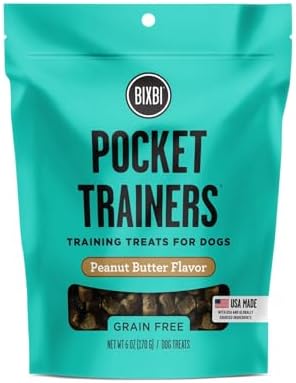
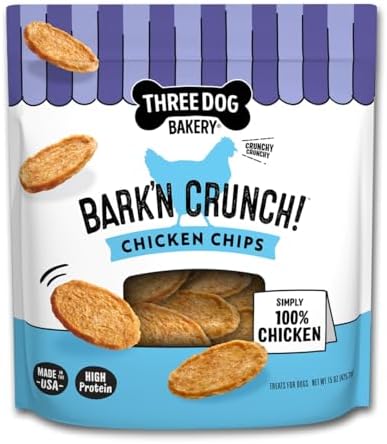
Consistency and high-value treats are essential for success—your dog learns faster and stays motivated with positive reinforcement.
As an Amazon Associate, I earn from qualifying purchases.

Recall Training: Teaching Your Dog to Come When Called
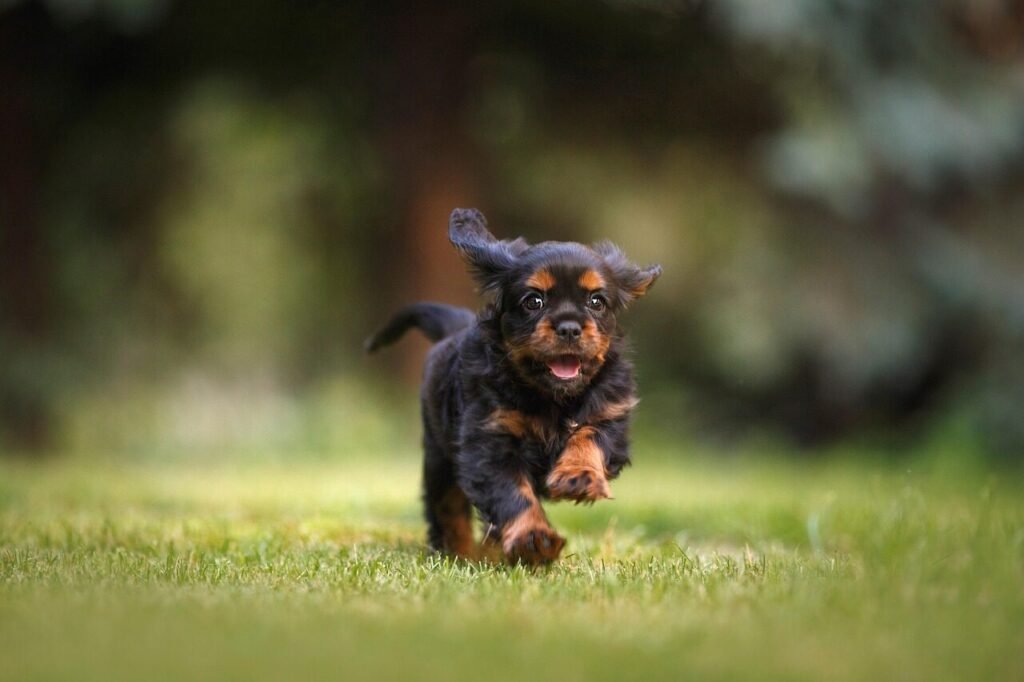
A strong recall is one of the most important skills your dog can learn—it keeps them safe and improves overall behavior. Use positive reinforcement by rewarding your dog with treats, praise, or play whenever they come when called. This builds a positive connection with the command.
Choose a simple, consistent command like “Come” or “Here,” and always use the same word. Begin training in a quiet area, then gradually add distractions as your dog improves.
If your dog gets distracted or loses interest, try higher-value rewards and keep sessions short and fun. If needed, go back to earlier steps and build up again slowly.
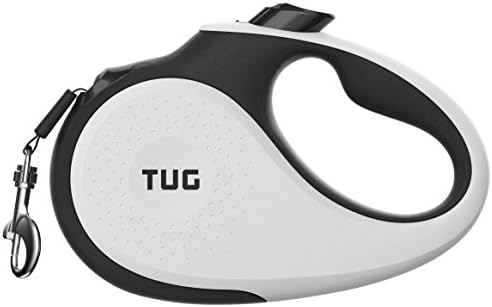
Start recall training on a leash for control and safety—here are some great training leashes to try.
As an Amazon Associate, I earn from qualifying purchases.


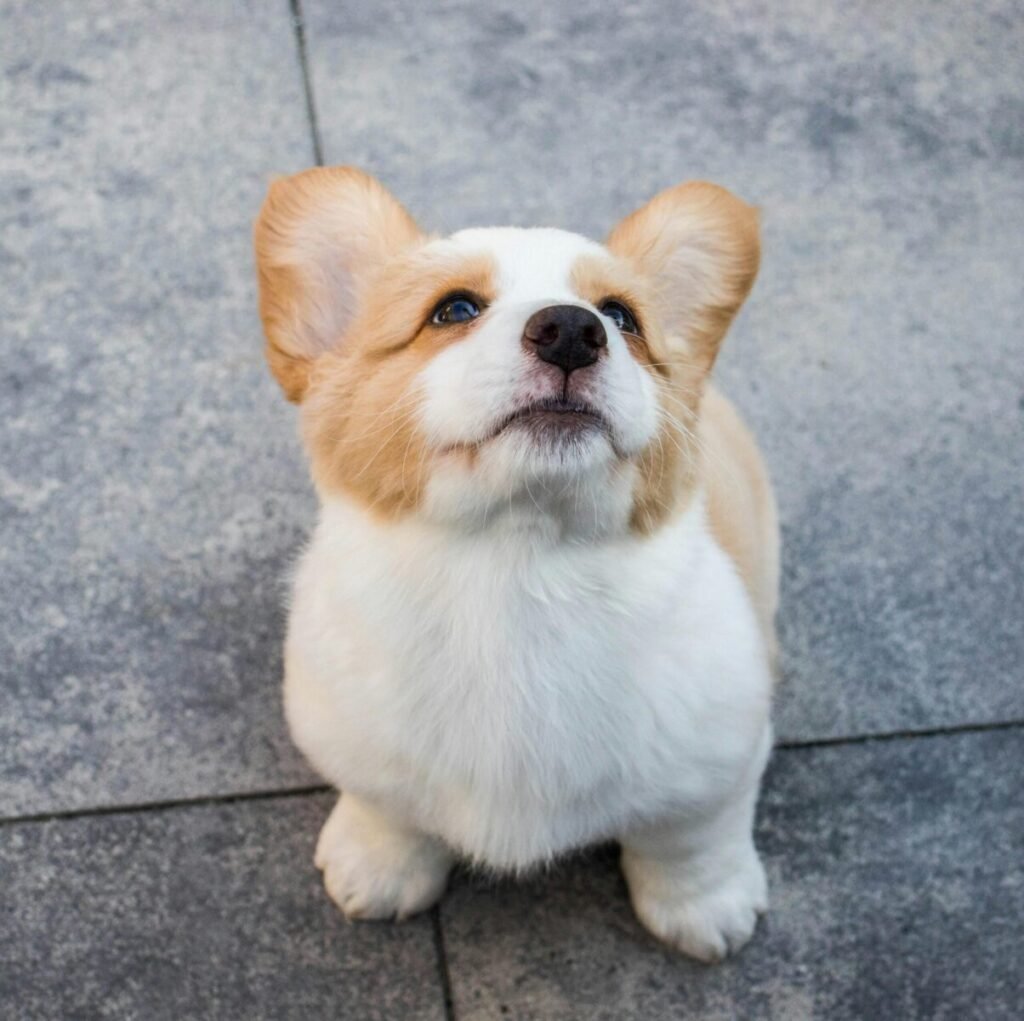
Basic Commands: Sit, Shake, and Roll Over
Training basic commands strengthens communication and builds trust between you and your dog. Here’s how to teach three essential tricks using positive reinforcement:
1. Sit
Start with your dog standing. Hold a treat above their nose and slowly move it back toward their tail. As their hindquarters lower into a sit, reward them immediately with praise and a treat. Keep sessions short and positive.
2. Shake
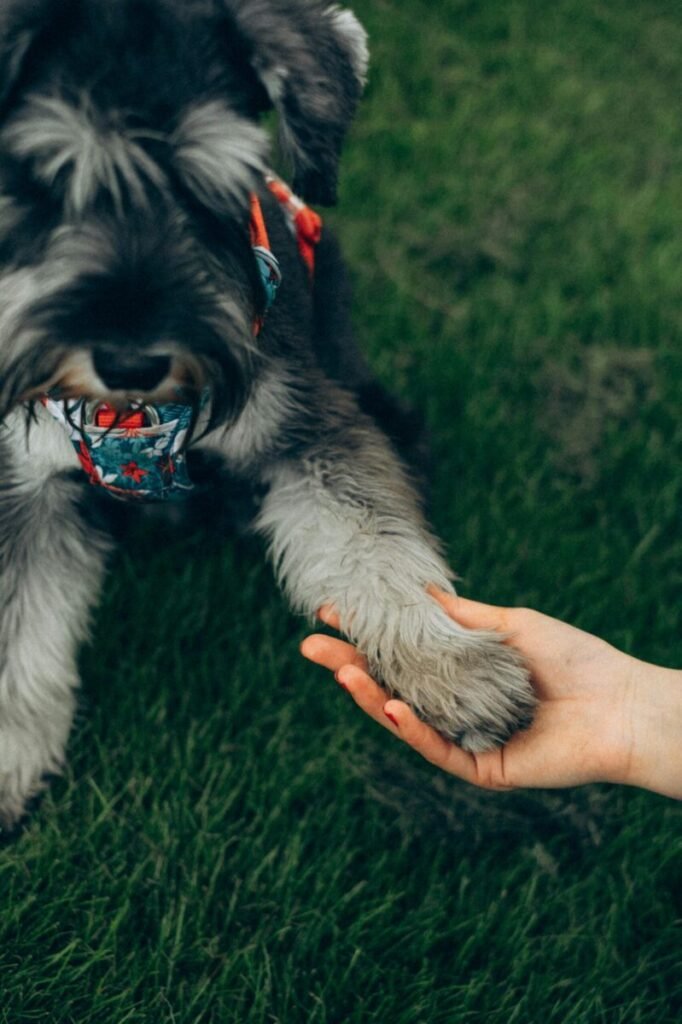
Once your dog can sit, teach “shake.” Gently lift one front paw while saying “shake” or “paw,” then reward them. Repeat until they begin offering their paw on cue. Practicing with others can make this more fun and social.
3. Roll Over
Begin with your dog lying down. Use a treat to guide them onto their side, then in a full roll. Reward once they complete the movement. Toys or props can make this trick more engaging.
Keep training fun and consistent, and always reward success. These simple commands not only improve behavior but also deepen your bond with your pup.
Maintaining and Reinforcing Training
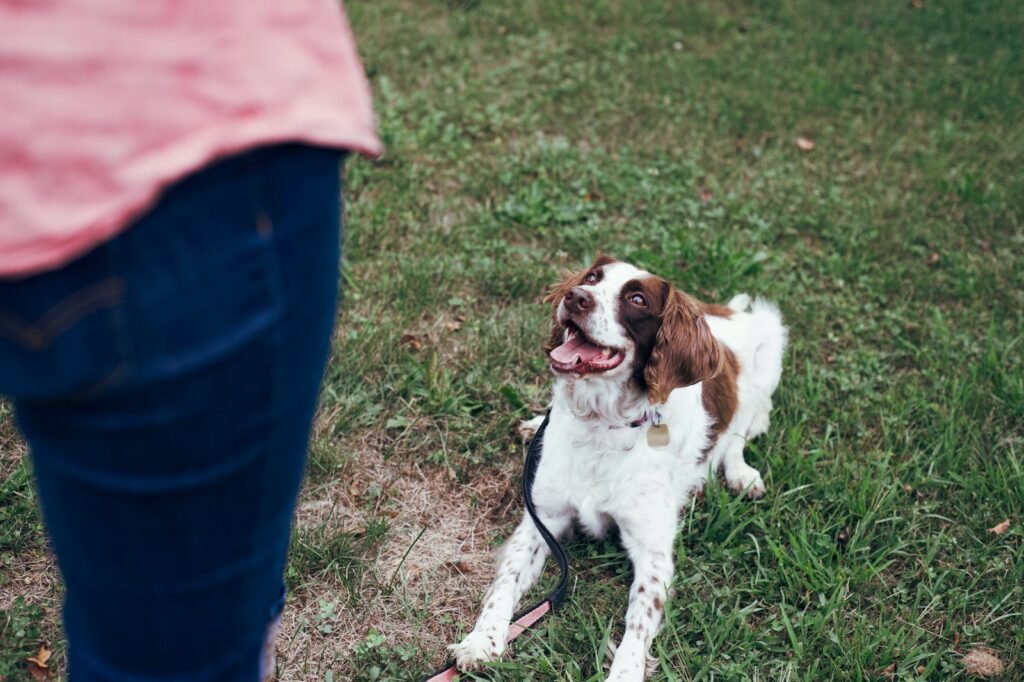
Training doesn’t end once your dog learns a command—it requires ongoing practice to keep behaviors sharp. Consistency is key. Regularly practicing commands during daily routines, like walks or mealtimes, helps reinforce good habits.
Interactive games like fetch or hide-and-seek can also support training. Use these play sessions to reinforce commands with treats or praise, making learning fun and engaging.
Watch for signs of regression, such as ignoring cues or showing confusion. If that happens, revisit basic training or do short refresher sessions to rebuild understanding.
Training is a continuous process. By staying consistent, making practice part of everyday life, and addressing issues early, you’ll keep your dog well-behaved and responsive for years to come.
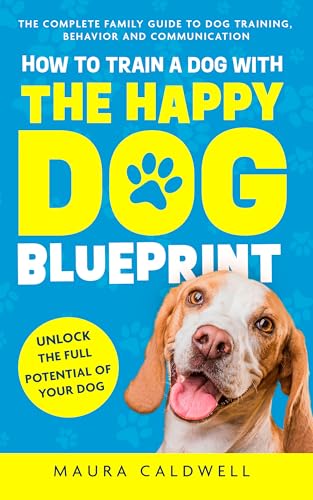
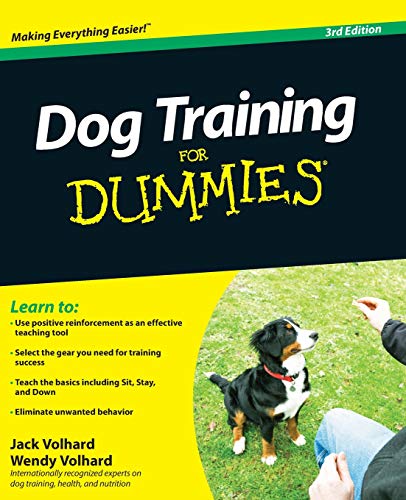
I hope this helps you like it helped me and my pup. There are some good books that can assist you with this process.
As an Amazon Affiliate, I earn from qualifying purchases.




Comments are closed