
Pet bringing unwanted intruders into your home?
Fall Flea & Tick Prevention Tips
Here’s how to keep your dog protected this fall. I’m not a veterinarian—just a fellow pet owner sharing what I’ve learned through lots of research and personal experience Always consult your vet for medical advice and specific treatment options for your dog.
1. Stay on Monthly Preventatives
Whether you use topical treatments, oral medications, or flea/tick collars, don’t stop in September. Continue protection through the end of fall (and ideally, year-round).
Frontline is the top rated topical treatment sold on Amazon. A one spot solution that is available without a prescription. Frontline is my personal favorite treatment that I found effective when I noticed there are unwanted ticks and fleas.
- Small dogs: 5 – 22 Lbs
- Medium dogs: 22 – 44 Lbs
- Large dogs: 45 – 88 Lbs
- XLarge dogs: 89 – 132 Lbs


2. Wash Your Dog Regularly.
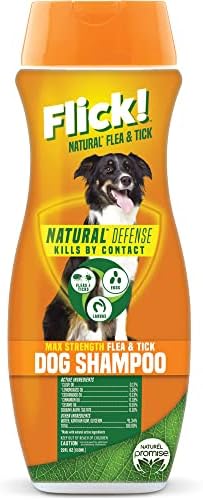
Fleas and ticks love a dirty surface to latch onto. Washing with flea control shampoo can get rid of some unwanted intruders. Keep in mind to scrub the undercoat of your dog to dislodge any eggs that may be there. Eggs typically take 2-6 weeks to hatch so it may take a few bubbly scrubs to get rid of them.
Here are my favorite shampoo that leaves their coat smooth and smelling good.



2. Do Daily Checks After Outdoor Time
Take a flea comb over your dog, especially:
- Around ears
- Under the collar
- Between the toes
- Near the tail and groin area
Look for bumps (ticks) or flea dirt (small black specks).
Pro tip: Keep a small handy ziplock bag nearby to empty and clean the comb of fleas, hair, and dirt.



3. Keep Your Yard Fall-Clean
- Rake leaves and remove brush piles
- Mow the lawn regularly
- Keep garbage sealed to avoid attracting wildlife (who can carry pests)
4. Wash Bedding & Vacuum Often
Fleas lay eggs in soft fabrics—like beds, couches, and rugs. Wash your dog’s bedding weekly and vacuum high-traffic areas to break the flea life cycle.
5. Watch for Signs of Illness
If your dog becomes lethargic, loses interest in food, or seems stiff or sore, call your vet. These could be signs of a tick-borne illness.
Should You Still Worry in Cooler Weather?
Yes. Ticks can stay active into the 30s (°F), and fleas thrive in your warm home even if it’s freezing outside. Skipping prevention in fall leaves your dog vulnerable to infestations or illness just as winter begins.
Final Thoughts: Don’t Let Fall Bugs Ruin Fall Fun
Autumn is a time to enjoy long walks, cozy cuddles, and cool weather—not itching, scratching, and vet visits. By staying on top of flea and tick prevention now, you’ll keep your dog happy and healthy all season long.
If you’re unsure which products or prevention methods are right for your pup, talk to your veterinarian—they can recommend safe, effective options tailored to your dog’s needs.
No responses yet