The Importance of Cat Toys:
More Then Just Play
When we think of toys, we often associate them with fun and entertainment—but for cats, toys are so much more than that. Whether your feline friend is a curious kitten or a laid-back adult, incorporating toys into their daily routine plays a crucial role in their health, happiness, and overall quality of life.
Why Cat Toys Matter
Cats are natural hunters. Even the most pampered indoor cat has instincts that drive them to chase, pounce, stalk, and play. Without proper outlets for these behaviors, boredom can set in—leading to stress, behavioral issues, and even health problems like obesity or depression.
Toys help simulate those hunting experiences in a safe, indoor environment. They encourage exercise, mental stimulation, and provide your cat with a sense of purpose and satisfaction.
Physical Health Benefits
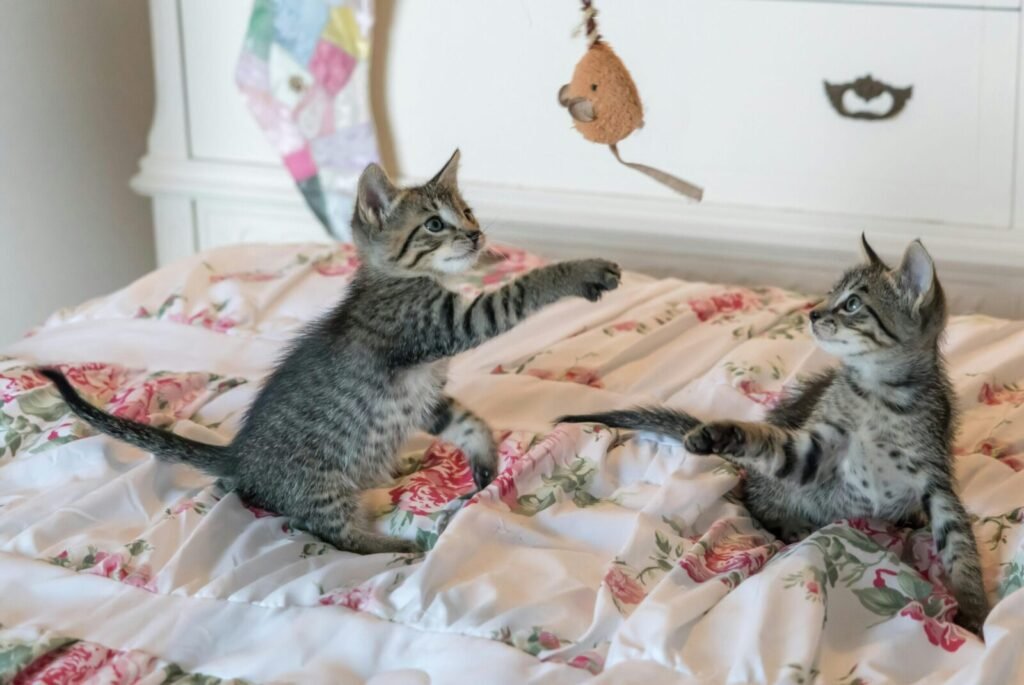
Toys like feather wands, ball tracks, and laser pointers get your cat moving. This is especially important for indoor cats, who don’t have the space or stimulation of outdoor environments. Active play helps:
- Maintain a healthy weight
- Improve muscle tone and coordination
- Release built-up energy (reducing nighttime zoomies!)
Mental Stimulation
Interactive toys and puzzle feeders challenge your cat’s brain, preventing boredom and destructive behaviors. Mental stimulation is just as important as physical activity.
Types of Toys That Make a Difference
Not all cat toys are created equal, and different cats prefer different types. Here are a few favorites:
- Feather Toys: Mimic birds in flight and trigger hunting instincts. Great for pouncing, jumping, and chasing.
- Laser Pointers: Encourage running and stalking. Just be sure to end sessions with a tangible toy or treat so your cat can “catch” something.
- Puzzle Toys: Stimulate your cat’s mind and often dispense treats, rewarding curiosity and patience.
- Catnip Toys: Offer a burst of excitement and can be especially fun for solo play.
Strengthening Your Bong
Playing with your cat builds trust and deepens your connection. Even a few minutes of daily interactive play can make a big difference.
Final Tip
Rotate toys regularly to keep things fresh. Engaged cats are healthier, happier cats!
As an Amazon Affiliate, I earn from qualifying purchases.


How about a Cat Tree?
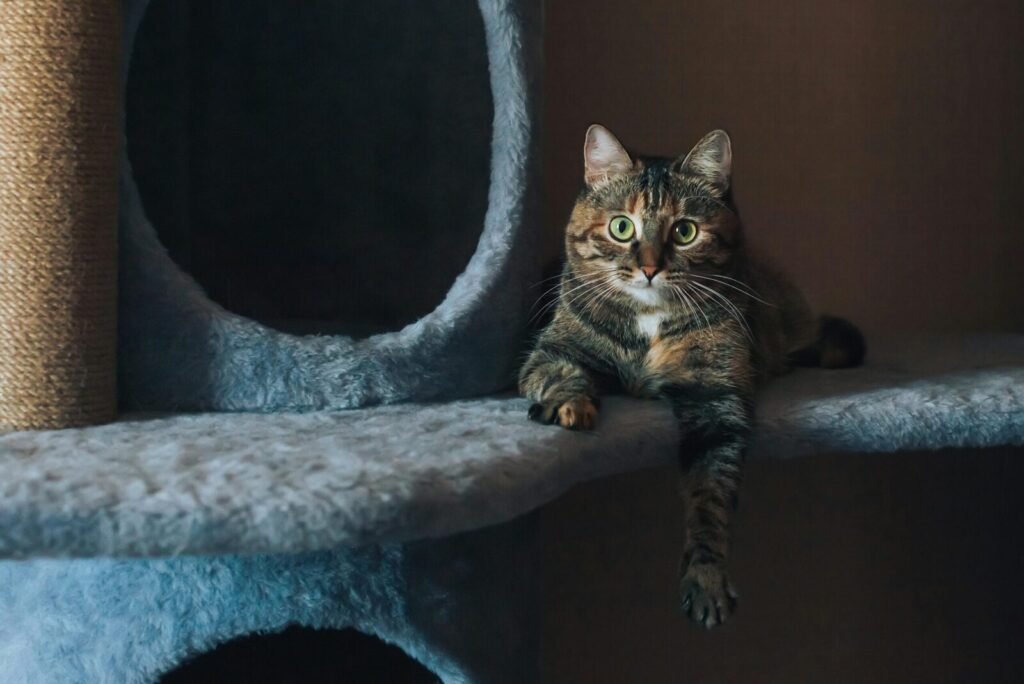
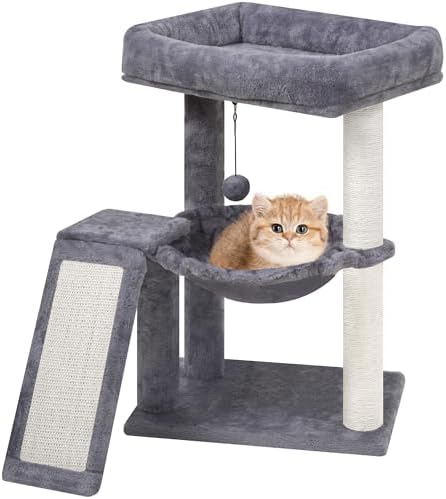
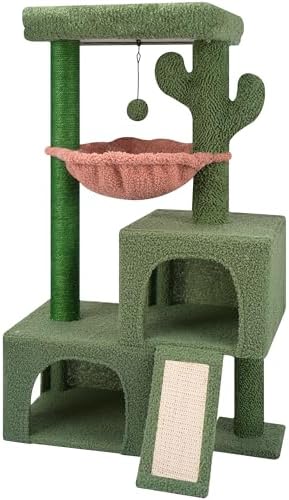
Cat trees are more than just furniture—they’re a key part of a happy indoor cat’s life. These multi-level structures offer climbing, scratching, and resting spaces all in one, making them a must-have for feline wellness.
Encourages Natural Behavior
Cats love to climb. A cat tree provides safe vertical space, letting your cat jump, perch, and explore—just like they would in the wild. It helps build muscle, coordination, and confidence.
Protects Your Furniture
Most cat trees include sisal-covered posts or scratch pads that satisfy your cat’s need to scratch—helping keep their claws healthy and your sofa intact.
Built-In Nap Zones
From hammocks to cubbies, cat trees often include cozy spots for rest. These elevated or enclosed areas give cats a secure place to relax while still keeping an eye on their world.
Fits Any Space
Whether you have one cat or a whole crew, there’s a cat tree to match. Compact or multi-level, they make great additions to apartments or larger homes.
Bottom line: A cat tree supports your cat’s physical and emotional needs—climbing, scratching, playing, and resting—all in one place. It’s one of the best investments you can make for your feline friend.
As an Amazon Associate, I earn from qualifying purchases.



Choosing the Right Cat Litter Box
Litter boxes are a basic yet essential part of every indoor cat’s life. Providing the right litter box setup keeps your home clean and your cat comfortable, while helping prevent unwanted behaviors.
Why Litter Boxes Matter
A clean, accessible litter box supports your cat’s natural instincts and contributes to their overall well-being. If a cat isn’t happy with their litter box, they may stop using it—leading to messy and stressful situations for both of you.
Key Features to Consider
- Size: The box should be large enough for your cat to comfortably turn around and dig. Larger cats need larger boxes!
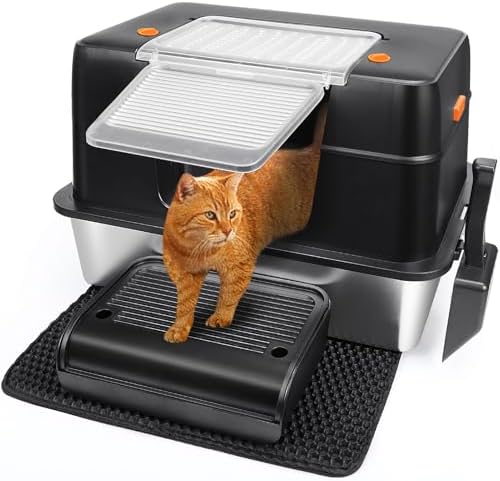
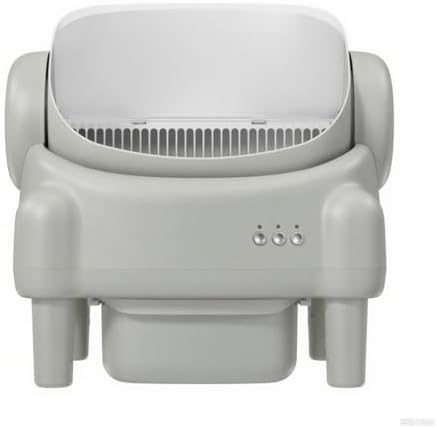
- Type: Open, covered, top-entry, or self-cleaning—each has its pros and cons. Choose based on your cat’s personality and your household needs.
- Quantity: The general rule? One box per cat, plus one extra. This helps avoid territorial issues and keeps things clean.
- Placement: Keep litter boxes in quiet, low-traffic areas. Avoid placing them near food or water bowls.
- Cleanliness: Scoop daily and do a full clean weekly or find a self cleaning litter box. Cats are fastidious—if it’s dirty, they might look elsewhere.
Final Tip
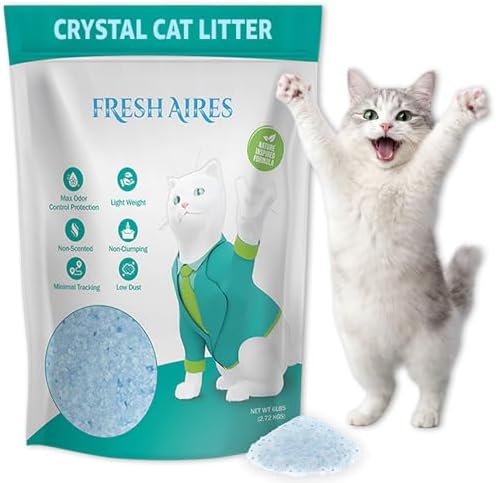
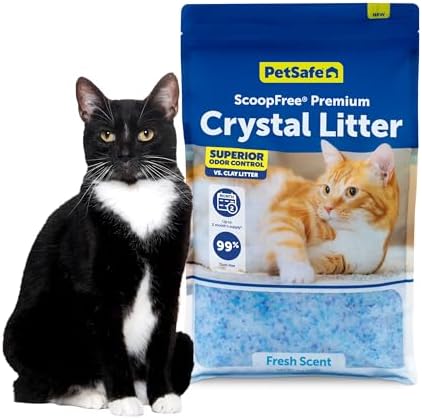
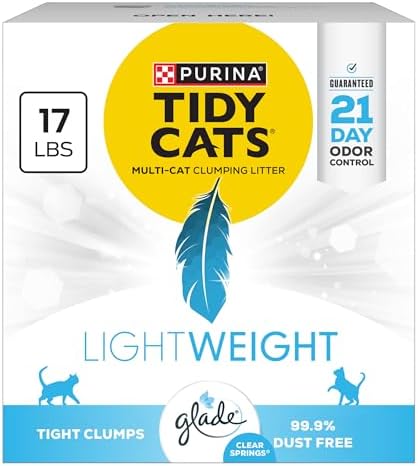
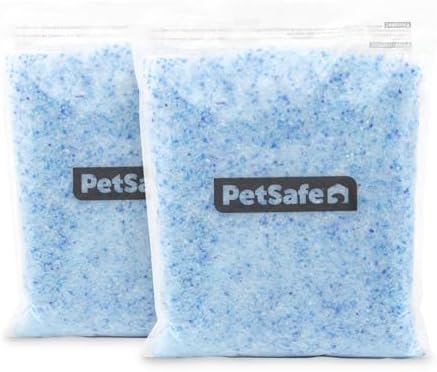
Don’t forget the litter itself! Some cats prefer unscented clumping litter, while others might like softer textures. It may take a little trial and error to find the right match.
As an Amazon Associate, I earn from qualifying purchases.

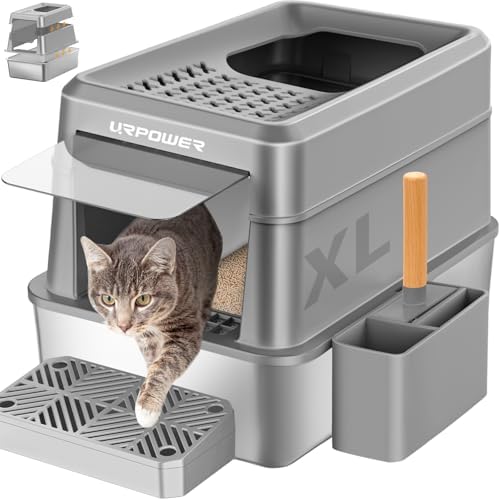


If you’re constantly finding litter around the box, your cat may be:
- Digging enthusiastically and kicking litter out
- Tracking it on their paws or fur
- Using a shallow or open-sided box that doesn’t contain litter well
Solutions:
- Switch to a high-sided or covered litter box to keep litter contained
- Use a litter mat outside the box to catch stray granules
- Try low-dust or heavier litter that’s less likely to cling to paws
As an Amazon Affiliate, I earn from qualifying purchases.


Why Every Cat Needs a Scratching Post
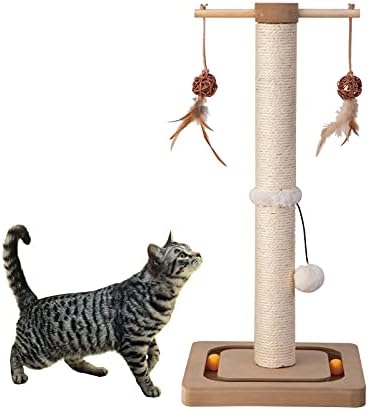
Cats have a natural instinct to scratch — it’s not just about sharpening their claws. Scratching is essential for their physical and mental well-being, and providing a proper scratching post can save your furniture and keep your cat happy.
Maintains Healthy Claws
Scratching helps cats shed the outer layers of their claws, keeping them sharp and healthy. Without an appropriate outlet, cats may scratch furniture or carpets to satisfy this need.
Marks Territory
Cats have scent glands in their paws. When they scratch, they leave both a visual mark and a scent, which is a natural way to claim territory and feel secure in their environment.
Provides Exercise and Stretching
Scratching posts encourage cats to stretch their muscles, particularly in their front legs, shoulders, and back. This helps keep them limber and can prevent stiffness or muscle problems.
Reduces Stress and Boredom
Scratching is a way for cats to relieve stress and frustration. A dedicated post provides a positive outlet, reducing destructive behavior and keeping your cat mentally stimulated.
Protects Your Furniture
Offering a scratching post redirects your cat’s scratching behavior away from sofas, curtains, and carpets, saving your belongings from damage.
Choosing the Right Scratching Post
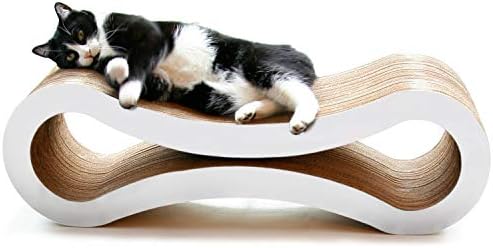
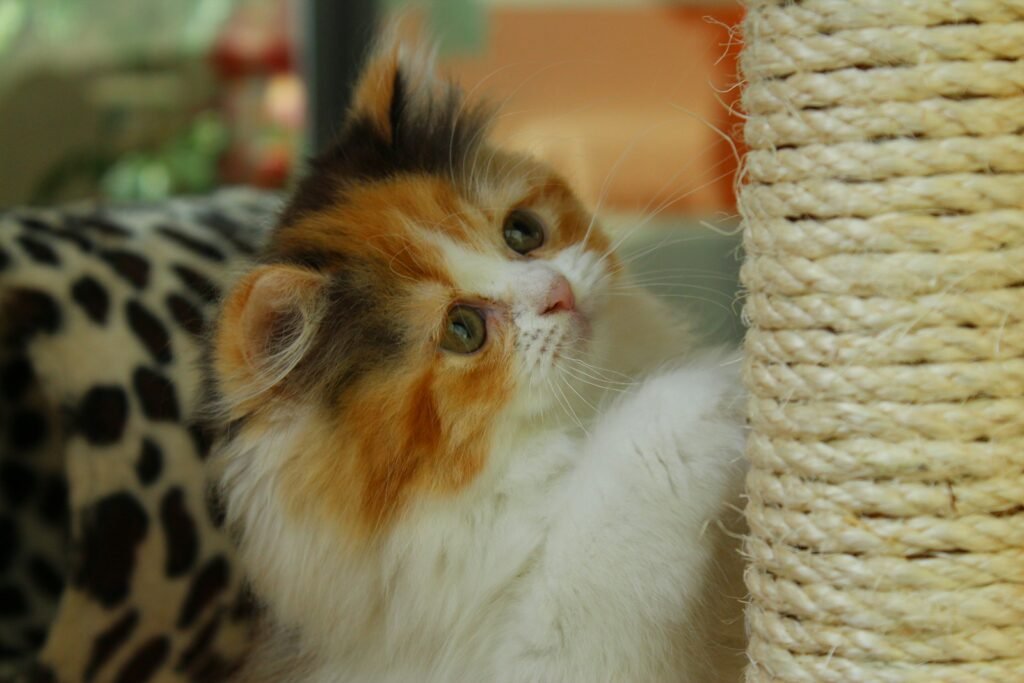
Look for a sturdy, tall post wrapped in natural materials like sisal, which cats love to dig their claws into. Consider different types—vertical posts, horizontal pads, or even multi-level cat trees—to find what your cat prefers.
As an Amazon Affiliate, I earn from qualifying purchases.